 Skip to content
Science-Based Essential Oils
Like many people, I used to believe that essential oils were largely just “snake oil” and placebo effect. Sure, they smelled nice… but I didn’t think they actually possessed significant medicinal properties.
Then I started to come across a growing body of scientific research with high quality, randomized and placebo-
controlled human trials that showed truly incredible effects for a wide variety of use-cases—with some therapeutic-grade oils proving equally as effective as prescription drugs, but without any of the side-effects. I eventually met with the Ph.D. who literally wrote the book on Medicinal Essential Oils, and my mind was blown.
However, I still knew that there ARE many supposed benefits and uses of essential oils that are advertised but NOT actually evidence-based. So I spent several weeks diving into the scientific literature to separate fact from fiction, and determine what oils and use-cases have real, solid scientific evidence behind them.
I organized the results on this page so that YOU can have easy access to the conclusions of that comprehensive research (and links to the actual studies), without having to do any of the work!
Jump To Essential Oil
Jump To
Essential Oil

Frankincense (Boswellia)

Lavender

Peppermint

Rose (Damascena)

Wild (Sweet) Orange

Copaiba

Turmeric

Bergamot

Tea Tree (Melaleuca)

Lemongrass

Rosemary

Spanish Sage

Hawaiian Sandalwood

Ylang-Ylang
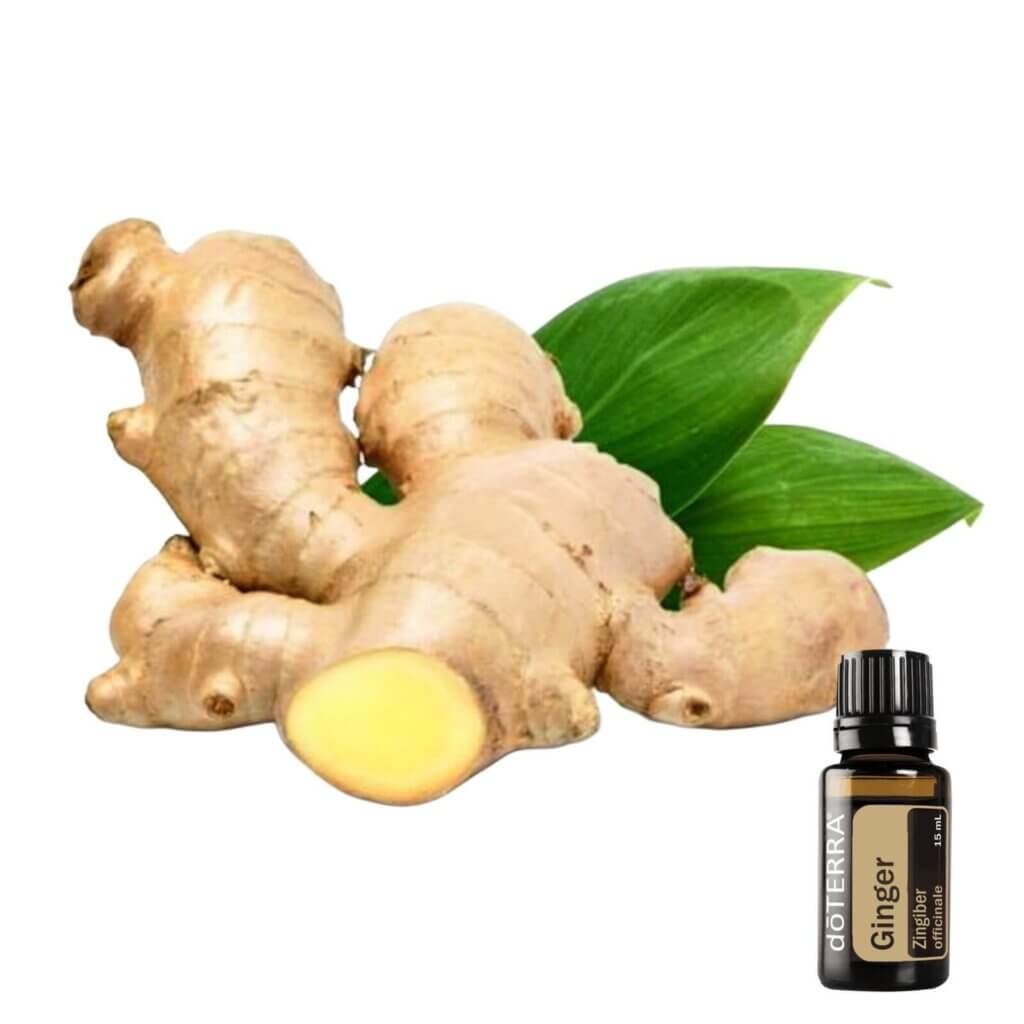
Ginger

Lemon

Oregano

Geranium

Eucalyptus

Myrrh

Patchouli
Use-Cases
Essential Oils VS Drugs
Discover how scientifically studied essential oils stack up against conventional prescription drugs. Backed by randomized controlled trials and systematic reviews, these natural remedies offer comparable or even superior results without the side effects.
Lavender VS Lorazepam for Anxiety
This double-blind, randomized controlled human study showed that ingesting lavender essential oil is equally as effective as the prescription drug Lorazepam (a benzodiazepine) at reducing generalized anxiety, with both decreasing all types of anxiety by about 46%. Yet the lavender oil did so without all the dangerous side-effects and high addictive potential of benzodiazepines.
Peppermint VS Acetaminophen for Headaches
This double-blind, randomized controlled human study showed that topical treatment with peppermint essential oil (spread across the forehead and temples) is equally or more effective than 1,000mg of acetaminophen (a non-steroidal anti-inflammatory drug) in reducing tension headache pain, and it’s effects are MUCH faster-acting while lasting just as long.
Peppermint VS Lignocaine for Topical Anesthesia
This randomized controlled human study showed that topical treatment with peppermint essential oil is significantly more effective at reducing pain than lignocaine spray when used as a topical anesthetic prior to dental injections.
Peppermint VS Minoxidil for Hair Growth
This randomized controlled animal study showed that topical treatment with diluted peppermint essential oil is even more effective than the prescription drug minoxidil at stimulating hair growth—including hair follicle number, depth, length, and dermal thickness—and does so without any of the toxicity or other negative side-effects of minoxidil.
Peppermint VS Lanolin for Nipple Cracks (Nursing)
This randomized controlled human study showed that topical treatment with diluted peppermint essential oil is significantly more effective at preventing nipple cracks and pain in nursing women than lanolin ointment, and another similar study showed that it’s also more effective at it than expressed breast milk.
Frankincense VS Orlistat for Fat Loss
This randomized controlled animal study showed that ingesting frankincense essential oil is just as effective as the prescription drug orlistat at preventing fat gain and hyperlipidemia, and even more effective than orlistat at reducing the size of adipocyte (fat) cells. It achieves this by increasing adiponectin protein levels, decreasing leptin resistance as well as levels of TNF-alpha and IL-1-beta, and also suppressing appetite.
Frankincense VS Orlistat for Fatty Liver Disease
This randomized controlled animal study showed that ingesting frankincense essential oil is just as effective as the prescription drug orlistat at preventing and treating fatty liver disease (steatosis).
Frankincense VS Silver Sulfadiazine for Burns
This double-blind, randomized controlled human study showed that topical treatment with frankincense essential oil is equally as effective as silver sulfadiazine cream (the current standard of treatment in hospitals) for healing second-degree burn wounds.
Frankincense VS Anything Else for Traumatic Brain Injury
This double-blind, randomized controlled human study showed that ingesting frankincense essential oil is more effective than any other known drug at improving the cognitive performance of patients suffering from traumatic brain injury.
Geranium Approved for Bronchitis
This systematic review of in-vitro and randomized controlled human studies shows that inhaling geranium essential oil significantly improves respiration and protects against many different respiratory infections (including coronavirus, influenza, and HIV 1), and a formulation of it has even been approved in Germany for the actual medical treatment of bronchitis.
Geranium VS Sunscreen for UV Protection
This in-vitro study showed that geranium essential oil protects the skin from harmful UV radiation when applied topically with an SPF of 10.26, and does so without any of the endocrine and hormone toxicity of chemical sunscreens.
Patchouli VS Hydroquinone for Skin Dark Spots
This ex-vivo and in-vitro human study showed that patchouli essential oil is a powerful inhibitor of the enzyme tyrosinase, and it thus highly effective at lightening and smoothing out the color of skin hyperpigmentation (aka “dark spots”) by preventing melanin production when applied topically. While it is likely not quite as effective as the prescription drug hydroquinone for dark spots, patchouli doesn’t have any of the toxicity and other negative side-effects of hydroquinone… and it simultaneously provides many additional skin benefits.
Myrrh VS Aloe Vera for Canker Sores
This randomized controlled human study showed that topical treatment recurring canker sores with myrrh essential oil significantly reduced the ulcers (completely eliminating them within 6 days in 77% of cases), and was even more effective than an aloe-based gel at reducing ulcer pain.
Spanish Sage VS Metformin for Diabetes
This in-vivo and in-vitro animal study showed that ingesting spanish sage essential oil produces anti-diabetic benefits similar to those of metformin, increasing insulin sensitivity and reducing fasting blood glucose levels (although likely not to the same extent that metformin does).
Tea Tree VS Benzoyl Peroxide for Acne
This systematic review of multiple randomized controlled human studies shows that topical treatment with tea tree essential oil is an effective treatment for acne, with some of the studies showing it as being equally as effective as the prescription drug benzoyl peroxide, while also being far less toxic to the skin.
Tea Tree VS Tolnaftateat for Athlete's Foot
This double-blind, randomized controlled human study shows that topical treatment with tea tree essential oil is highly effective at treating symptoms of athlete’s foot, almost but not quite as effective for it as the prescription drug tolnaftateat.
Tea Tree VS Piperonyl Butoxide for Athlete's Foot
This assessor-blind, randomized controlled human study showed that, in people infected with head lice, topical treatment with tea tree essential oil combined with lavender essential oil resulted in a complete elimination of all head lice in 98% of people after three treatments… which was significantly more effective than the prescription drug piperonyl butoxide, and equally as effective as “suffocation” lice treatment.
Ginger VS Diclofenac for Arthritis
This randomized controlled human study of 118 patients with knee pain from arthritis showed that topical treatment with a ginger extract was even more effective than the topical NSAID drug diclofenac in reducing knee pain and stiffness, and in improving joint function over a period of 12 weeks.
Ginger VS Metoclopramide for Nausea & Vomiting
This systematic review of 6 randomized controlled human studies showed that ingesting ginger essential oil is equally as effective as the prescription drug metoclopramide for treating and reducing nausea and vomiting. Specific use-cases included nausea from seasickness, morning sickness, post-surgery, and chemotherapy-induced nausea.
Ginger VS Vitamin B6 for Morning Sickness
This systematic review of multiple double-blind randomized controlled human studies showed that ingesting ginger was equally effective as the reference drug (Vitamin B6) in relieving nausea and vomiting during pregnancy.
Oregano VS Penicillin as an Antibiotic
Many randomized controlled human and in-vitro studies like this one have shown that ingesting oregano essential oil possesses extremely potent antibiotic properties that are even more effective than first-line prescription antibiotic drugs like penicillin, since oregano essential oil is even effective against antibiotic-resistant strains (like staphylococcus aureus)!
Oregano VS Artificial Preservatives as a Food Preservative
This systematic review of many different study types shows that oregano essential oil as a food additive may be the most effective natural food preservative that exists. It prevents the growth of spoilage and microorganisms, disrupts bacterial biofilms, scavenges free radicals, and slows down lipid oxidation, significantly extending the shelf life of food products, often as well or even better than chemical artificial preservatives like benzoic acid and sodium benzoate… but without any of their toxicity.
Eucalyptus VS Flurbiprofen for Fevers
This in-vivo and in-vitro study showed that inhaling eucalyptus essential oil can be equally as effective as the prescription drug flurbiprofen for treating fever symptoms.
Eucalyptus VS DEET as an Insect Repellant
Eucalyptus essential oil (applied topically) is the only plant-based product that the CDC recognizes and recommends as being a highly effective natural mosquito repellant, and is also an EPA-registered insect repellent. Some studies have shown it as being as or more effective than DEET, while being far less toxic to the skin, and is particularly good at repelling mosquitoes and flies.
Turmeric VS Diclofenac Sodium for Rheumatoid Arthritis
This randomized controlled human study showed that ingesting curcumin (one of the active components of turmeric essential oil) was significantly more effective than the prescription drug diclofenac sodium at treating rheumatoid arthritis.
Turmeric Approved for Cancer
This randomized controlled human study shows that ingesting turmeric essential oil possesses significant anti-cancer and anti-tumor activities, and one of its active components (elemene) is even approved in China for the actual medical treatment of cancer.
Rosemary VS Minoxidil for Male Pattern Baldness
This randomized controlled human study showed that topical treatment with rosemary essential oil significantly improved hair count, length, thickness and strength in patients with male pattern baldness, and did so equally as effectively as the prescription drug minoxidil… but without the toxicity of minoxidil and with far fewer side-effects (itching, dryness, etc.).
Copaiba VS Aloe Vera for Sunburn
This in-vivo animal study showed that topical treatment with copaiba essential oil is even more effective than aloe vera for treating sunburn—both for relieving pain and for actual healing of the sunburn.
Join the Dr. Gains
Essential Oils Team!
Want to make the most of these incredible essential oils, while also adding an extra revenue stream to your income? One where you can work from home, and choose the amount of time you want to put into it? AND interact closely with me and my team??
Fill out the form and I’ll contact you with more details!
